Thursday, April 21, 2016

Spring and Summer Swimming Safety

dive-15840_1920.jpg

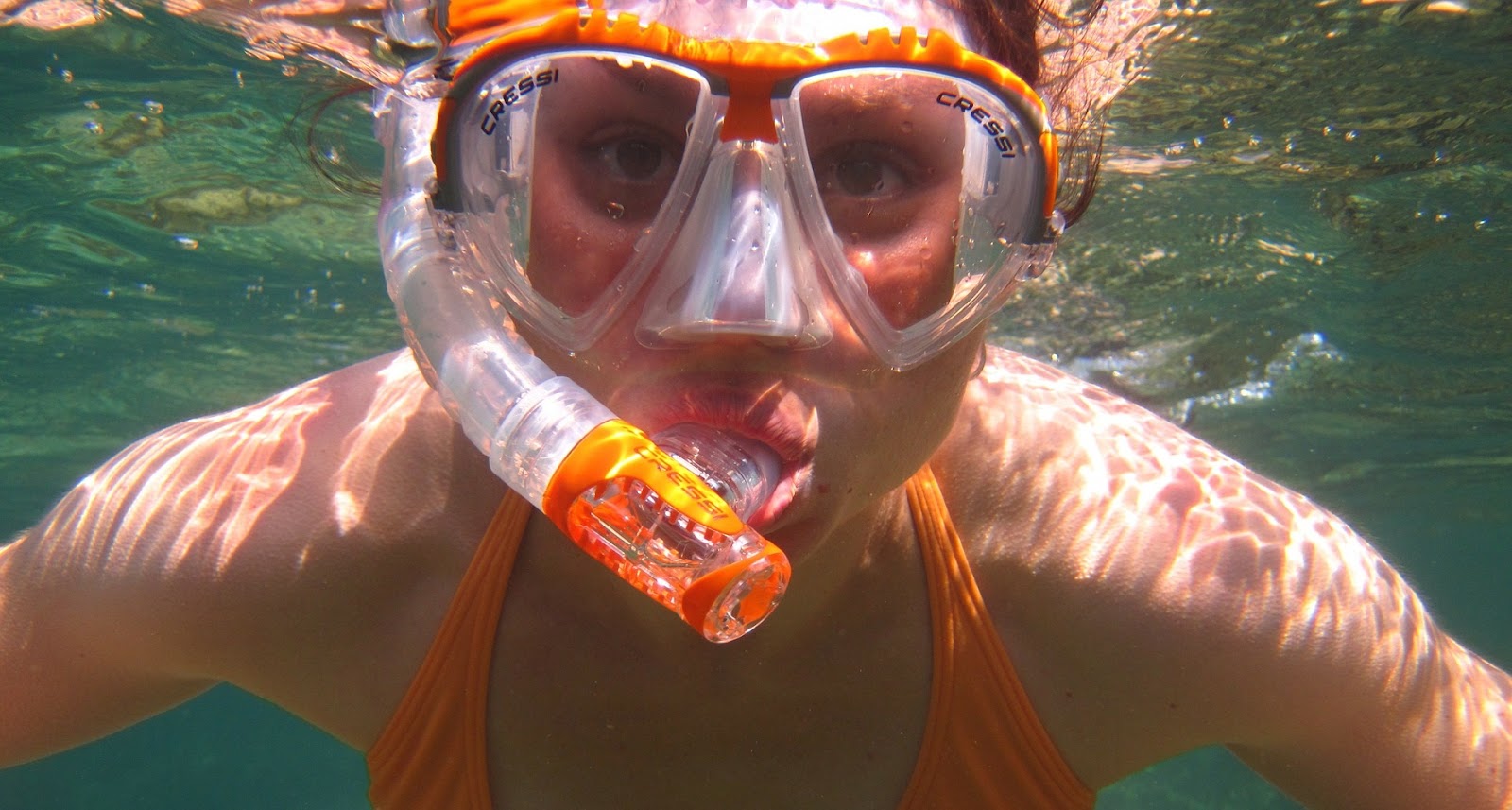
Minnesota is the land of 11,842 lakes, though 10,000 does have more splash.  For those of us living in Minnesota, we’ve all been exposed to a body of water or two, and undoubtedly have heard a few water safety tips: don’t run on the dock, wear a lifejacket, wait 30 minutes to swim after you eat (that’s a myth, by the way).  As the temperatures begin to rise, the temptation to rush down to the beach or pool gets greater every day. Before you dive in, remind yourself and your loved ones of proper water safety tips to ensure that everyone has a safe and fun time.

General Swimming Tips

The best offense is a good defense; all swimmers should arm themselves with the right tools in order to practice swim safety.

     Take a safety course. Everyone who goes swimming - especially kids - should have had age-appropriate swim lessons. Enroll your family in courses that emphasize basic water safety skills, emergency survival techniques, important strokes, and how to tread water. Look for classes that focus on water safety, home pool safety, first aid, and CPR/AED to learn how to prevent and react to emergencies. The Red Cross offers excellent options for swimming and water safety courses.
     Establish rules and boundaries. Set rules and limits, and consistently enforce them. These rules should be based on each swimmer’s ability and age.
     Always swim with a buddy. Swimming with a buddy is not only more fun, but it can help ensure each other’s safety.
     Avoid distractions. When supervising young children, avoid distracting elements and focus on staying within an arm’s reach of young children as they navigate the water.
     Sun safety matters. Protect your skin and eyes from the dangers of being in the sun for too long. Apply waterproof and sweat proof sunscreen liberally 20 minutes before you go out. Wear protective eyewear to minimize sun glare and to properly supervise your family.
 person-841116_1280.jpg

Safety in Natural Bodies of Water

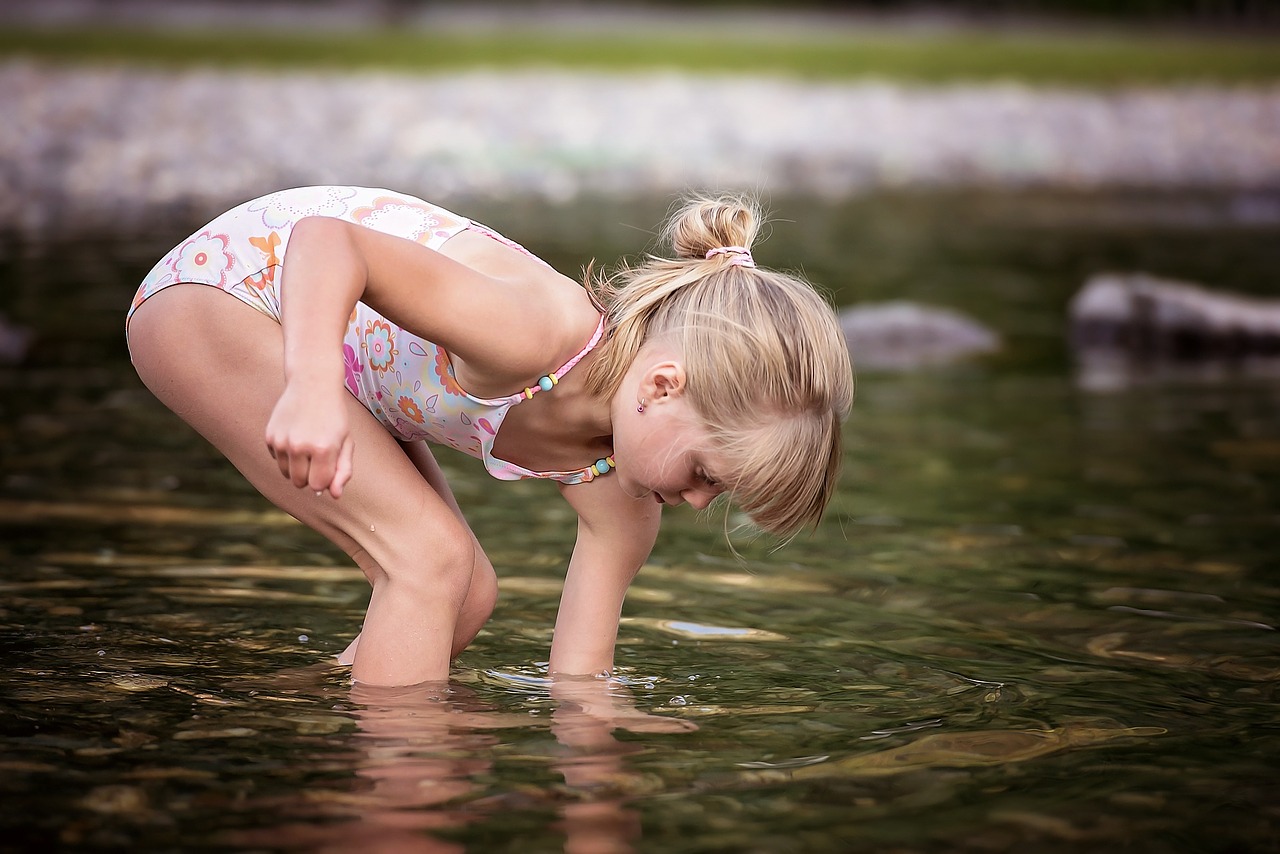
     Know your environment. In lakes, rivers, ocean beaches, and other natural bodies of water, watch for cold temperatures, currents, and underwater hazards that could pose a danger to water safety. Be on the lookout for currents and changes in weather that could drastically alter your swimming environment. Consider water shoes to protect your feet in rocky beaches.
     Boat safety matters. You might feel safer when in a boat, canoe, or kayak, but water safety matters even in cases of implied protection. Equip your passengers with maintained and appropriately-sized lifejackets.
pool-1085283_1920.jpg

Pool Safety

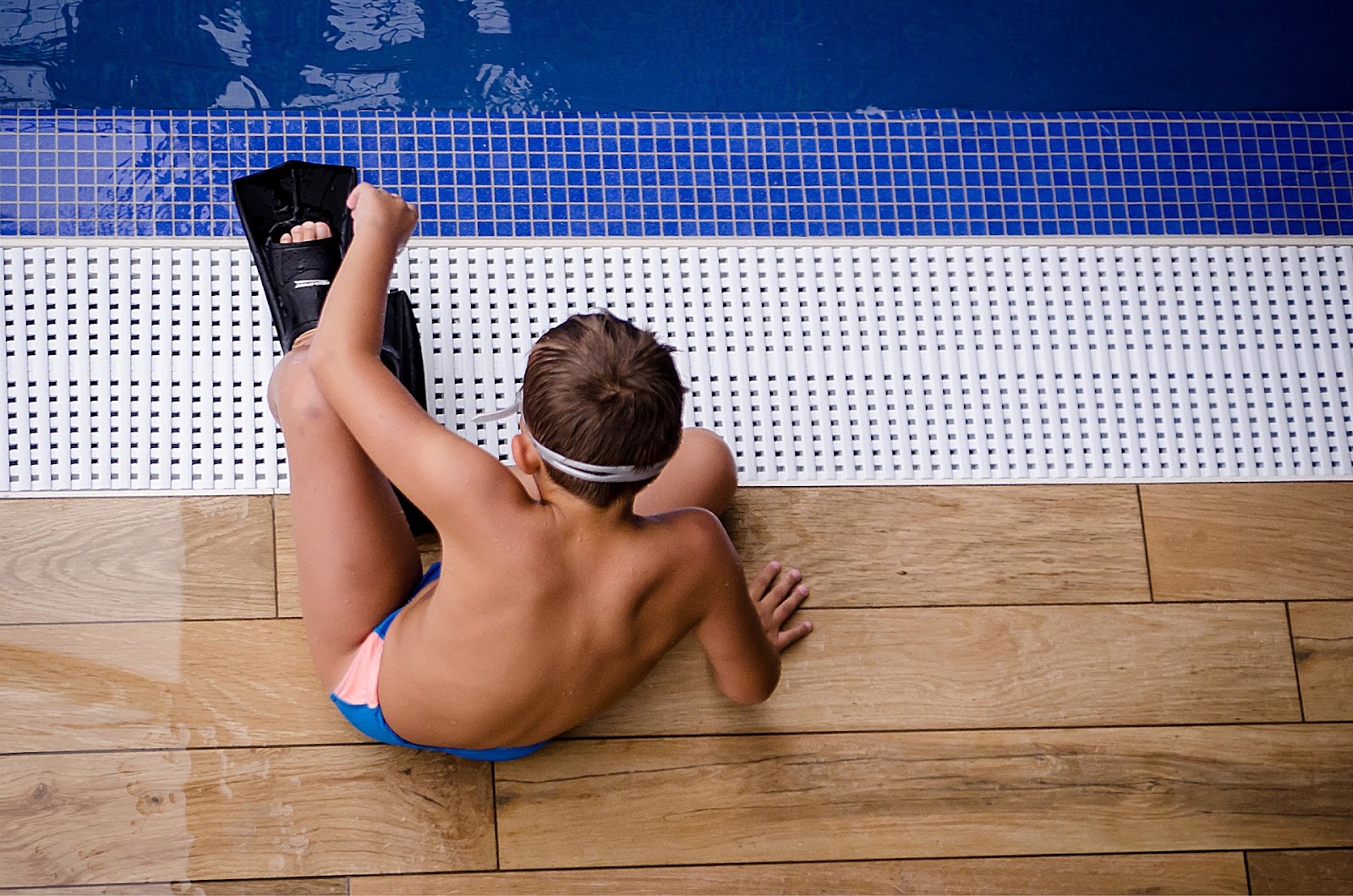
     Supervision at all times. Actively supervise young swimmers whenever they are around the water, don’t rely solely on a lifeguard. Designate a responsible adult to supervise.
     Keep the pool area safe. Remove any ladders, outdoor furniture, or anything climbable that provide access to the pool when not in use. Use safety barriers as well. Secure your home pool cover when the pool is not in use. Install tall gates and enclosures that are high enough to be out of the reach of small hands. Consider pool alarms as an added layer of security.
     Be aware of your surroundings. Don’t let your guard down around man-made bodies of water like pools. Be aware, and remind your kids to not play around drains or suction fittings.

Water safety is a necessity in the summer months, but it shouldn’t take away from the fun to be had splashing around on a hot day. Remind your family and friends (without being a nag) of water safety so becomes second nature as they enjoy the water this summer.


Thursday, March 10, 2016

One Less Bottle a Day

As the earth’s residents, we need to protect the planet whenever possible. One way we can do this is in being mindful of the ways we consume the most abundant liquid on earth - water. Reusable water bottles are better for the environment, more cost-efficient, and take up less space in landfills. With thousands of options available, it may seem like there is no right or wrong answer when it comes to a reusable water bottle, though we’ve made up a simple guide to help you choose.
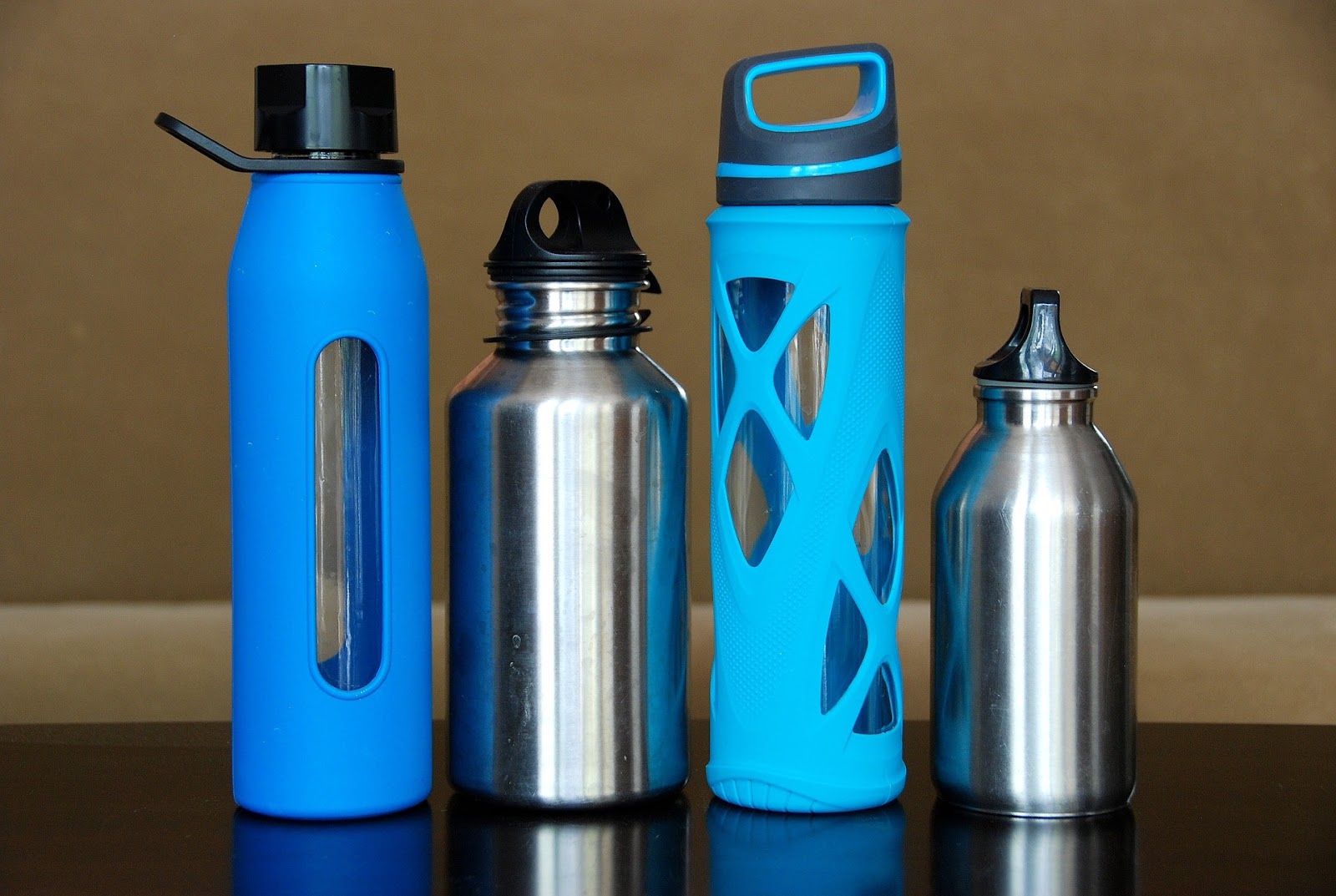
bottles-774466_1920.jpg
One of the basic things to look out for is whether or not the bottle is BPA free, which usually applies to plastic bottles bought in bulk, not reusable water bottles. BPA (bisphenol A) is a chemical that can leak from the plastic bottle into your water or into the ground after being tossed into a landfill. For reusable bottles, there are a few material options to choose from: plastic, stainless steel, and glass are the most common.
Plastic Bottles
You can purchase both hard plastic and soft plastic bottles; soft plastic bottles can conveniently collapse and be stored in your bag, whereas it is easier to drink from hard plastic bottles. In hard plastic, the  24-ounce Thermos Nissan Intak Hydration Water Bottle is a great size for most reusable water drinkers and is leak-proof.
If you are looking for a collapsible bottle for traveling (or just for the convenience), the Vapur Element Bottle is a great option. This bottle has 4.5 stars from 706 reviews on Amazon, so you are likely to find that Vapur Element is the bottle for you.
Stainless Steel Bottles
Stainless steel bottles are usually the go-to bottles for cleanliness, durability, and use. However, some find that the taste is a bit tainted from the stainless steel material. Water will taste a little different depending on what material you drink from. It basically comes down to a personal preference, and you really won’t know what you like until you try them. The highest rated stainless steel bottle is the Klean Kanteen Stainless Steel Bottle with Loop Cap, which looks like the most basic of water bottles, but this tried and true bottle is a winner.
Glass Bottles
Possibly considered the best bottle for taste preference is the glass water bottle. We are most accustomed to drinking from glass. However, the downfalls are the weight of the bottle and the durability of the glass. Glass bottles are often not allowed in gyms because they can shatter. Consider where you will be using your bottle most often and let that help you decide the best material for you. One of the best glass bottles is the Lifefactory 22-Ounce Beverage Bottle from Amazon.com. The thin plastic shell will help protect from bumps and small drops and large opening allows for easy cleaning.

There are a ton of options available on the market. You can customize your bottle to fit your personality, your workspace, your travel habits - almost anything! We’re here to aid you in choosing the correct reusable bottle for your lifestyle. If you have additional questions regarding reusable bottles, ask with the hashtag #DrinkTap, like Minnesota AWWA on Facebook, or follow us on Twitter.

Wednesday, February 10, 2016

Best of the Season: Winter Activities in Minnesota

Winter activities: they’re not for the faint of heart. Let’s be honest for a minute - we live in Minnesota - yes, the initial shock of winter takes some getting used to, but we aren’t going to spend almost half of the year indoors! Check out some of the best outdoor activities Minnesota has to offer this winter:
st-paul-210461_1280.jpg

Served on the Rocks at an Ice Bar

What better way to enjoy a nice cold beer than by sitting on a big hunk of ice? Minnesota features ice bars across the state. The SocialICE in Rochester has icy signature drinks, twelve-foot artistic designed ice bars, an ice sculpture garden, and more. Make sure you take a trip to Rochester February 18th, 19th, and 20th for food, music, and a fabulous ice bar.

cold-20408_640.jpg

Ice Sculptures

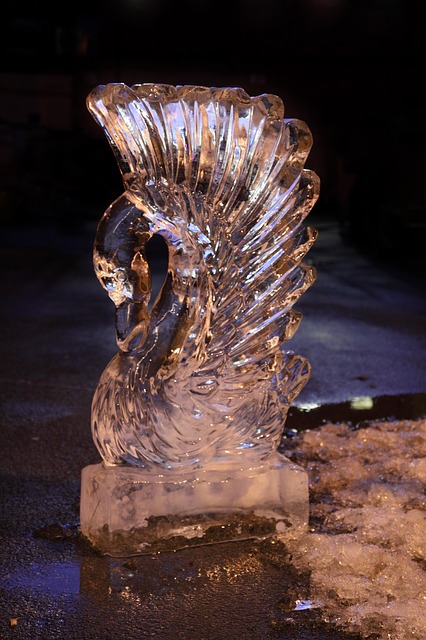
Minnesotans pride themselves on their talent on the ice, off the ice, and with the ice. One of the state’s most time-honored traditions involves creative ice sculptures displays across the state. Eden Prairie has a beautiful and dazzling display of Ice Castles, which opened January 23rd and run through the end of February. The Ice Castles display is an excellent place to take a date or to set out on a family excursion.

Challenge Yourself

With extreme temperatures, there are bound to be extreme winter activities and challenges. Take Minnesota’s all-season sport of fishing out onto the ice this year. There are ice fishing contests and competitions across the state. Look for a location near you with the MNDNR. For the adrenaline junkies, the Minnesota Polar Bear Plunge is an excellent way of raising money for Special Olympics Minnesota athletes. There are plenty of locations and dates across the state that you can participate in for an extreme rush and good cause.

The Classics

With so many events to enjoy, make sure not to forget the classic winter activities. Go skiing and snowboarding at Powder Ridge, Lutsen Mountains, or Blackjack and Indianhead Mountain. Engage with the serenity of winter forests by snowshoeing with friends on a nighttime trail. Embrace your inner kid by grabbing a sled or snow tube and racing down a snow-covered hill. Try and see how many lakes you can go ice skating around. Minneapolis alone has two indoor rinks and 47 outdoor rinks to offer.

For more winter activity ideas, visit the DNR Winter Activities Guide. Embrace all that Minnesota has to offer and aim to fill this winter with exciting experiences and heart-warming memories.

Tuesday, December 29, 2015

The Top Ice Fishing Lakes in Minnesota


The infamous Minnesota winter is enough to scare people away and keep them inside during the winter months, but not for the avid ice fishing enthusiast who bare the weather in search of the perfect walleye and northern pike. With well over 10,000 lakes, it is no wonder why ice fishing is one of Minnesota’s biggest winter activities. The question is what are the best lakes to go ice fishing in the winter?

Upper Red Lake
Stretching over 288,000 acres, Red Lake is made up of the “Upper” and “Lower” region which is located in Northern Minnesota’s Beltrami County. If you are in search of world class caliber walleye, Upper Red Lake is the place to go. With plenty of access points spread out on the eastern shore, this lake is known for its walleye, northern pike, and crappie.

Lake Mille Lacs
Located north of St. Paul, Lake Mill Lacs spans more than 132,000 acres and stretches across Mill Lacs, Aitkin and Crow Wing counties to be recorded as the second largest lake in the state. The lake is known for their walleye, rock bass, northern pike, jumbo perch, muskie, smallmouth bass, and tullibee. Mill Lacs offers plenty of access along their 74-mile shoreline and has become a popular tourist destination offering plenty of fishing resorts and tour companies in the area.

Lake Vermilion
Lake Vermilion is 40,500 acres of beautiful scenery and has become a famous tourist destination known for its muskie, northern pike, crappie, perch, smallmouth bass, and bluegill. Visit lakevermilion.com for information on peak activity and the best ice fishing hours for each of the winter months.

Gull Lake
The host of North America’s largest ice fishing event - the Ice Fishing Extravaganza - Gull Lake is 9,418 acres and is the most popular fishing lake in the Brainerd Lake Region. Gull is host to the largest walleye, northern pike, and bluegill, as well as largemouth bass, rock bass and crappie population and offers access to ice fishing tour guides, ice house rentals, and ice fishing equipment.

Lake of the Woods
Named one of the most scenic lakes in the country by Minnesota Lakes website, Lake of the woods has over 14,000 islands and stretches over 950,000 acres through Minnesota, Ontario, and Manitoba. Lake of the Woods has over 45 resorts that offer all-inclusive ice fishing tours and specialize in walleye, northern pike, sauger, muskie, rock bass, largemouth bass, lake trout and sturgeon.


Tuesday, November 24, 2015

The Truth About Winter Dehydration

Add heading (1).jpg
When people think of dehydration, they think about working out or standing in the blistering heat. If you’re not sweaty, you’re probably not dehydrated, right? Actually, dehydration isn’t just a summer thing. Winter dehydration can often be more dangerous, mainly because not many people know about it or think about it.

It’s pretty simple when you think about it; winter activities also give you a workout and increase your heart rate, but people also tend to drink less water, making the risk of dehydration even higher.  Who wants to carry water when out in the cold? The following are five things you should look out for during the colder months to prevent dehydration:

1. Lowered thirst quench. Cold weather means that your blood vessels constrict, sending blood to the core of your body. This tricks your body into thinking that you are hydrated, when in reality, you may not be.

2. Cold water slows your body’s communication to the kidneys which then tell your body that it does not need to conserve water. This means that your urine production is increased which lowers the water retained in your body.

3. Sweat evaporates faster in cold weather. Because of this, many people don’t think about hydration lost through sweat in the winter.

4. Wearing too much clothing can be a negative. When you wear too much clothing, you are carrying more weight which will make your body work harder, in turn causing you to sweat.

5. The dry air in the winter time can cause dehydration. When you can “see your breath” in the winter you are also losing water vapor. Your skin usually feels over-dry in the winter; this is a telltale sign of dehydration.

Knowing that winter dehydration is a problem is the first step in counteracting its effects. Making sure that you are drinking an adequate amount of water is essential in maintaining a normal water level in your body. If you have other questions about winter dehydration and the benefits of drinking plenty of water, visit our website at mnawwa.org.

Monday, November 9, 2015

Fall Minnesota Microbrewery Tour

Football is well under way, the leaves have turned into splashes of colors, and the sun sets a bit earlier each night. It’s at this time of year some of the best seasonal beers make their appearances. This is particularly true in beers from Minnesota microbreweries. The combination of hops, malt, spices, and fresh Minnesota water creates a menu of fall brews that will make anyone’s autumn a little more festive. Because of this, we’ve compiled a short list of some of the best fall beers from microbreweries in Minnesota.

Summit Brewing’s Oktoberfest
It can’t be fall without an Oktoberfest brew, and Summit Brewing’s Oktoberfest is a fantastic option for those seeking a fall beer. This award winning Märzen style beer is a great way to celebrate fall with a bit of German flair.

Jack’d Up Autumn Ale from Third Street Brewhouse
A newer player in the fall brews is Jack’d Up Autumn Ale from Third Street Brewhouse. This beer is jacked up with pumpkin spices, as well as a combination of six different malts. With a taste of both malt and spice, this ale goes down like water in the fall.

Canal Park Brewing Company’s Joyride Antic
Another excellent Oktoberfest beer comes straight from the shores of Lake Superior. Canal Park Brewing Company’s Joyride Antic will make everyone feel a little German. The brewer even states this beer is for those who like, “Schnitzel, schätzl, barli and spätzl.” For a truly awesome experience, head to Duluth, grab a stein of Joyride Antic, and drink it with a view of some of the most beautiful water in Minnesota.

Oktoberfest from Lift Bridge Brewing Company
Another excellent option is Oktoberfest from Lift Bridge Brewing Company in Stillwater. Everything but the Minnesota water is European in this pleasantly malty brew. The company says this lager, “is perfect for times when the mornings turn crisp and the afternoon sun is still warm on your face.” That sounds like a good fall beer to us.

Surly WET
If you’re looking for a fall IPA, look no further than Surly WET. This IPA is made with the fresh picked hops and has both piney and fruity flavor. The ingredients that go into this beer are so good, you’d almost think all the brewer had to do was add water.


Roof Rack Lager from Bent Paddle Brewing Company
Another brew from Duluth is Roof Rack Lager made by Bent Paddle Brewing Company. This Vienna-style Lager is the perfect way to end the paddling season. So pull your canoe out of the water, put it on the roof rack, and enjoy fall with Roof Rack Lager.

These are only a few of the fine fall beers offered by microbrewers in Minnesota. Find one you love, or try them all. Either way, you won’t be disappointed. However, always remember that without water, none of these seasonal beers would be possible.

Tuesday, September 15, 2015

Water: The Essential Life Force

adult-18650_1280.jpgIt's a common fact that water is an absolute necessity for regulating and maintaining our bodies and their countless functions. Despite the obvious statement that water is essential to our wellbeing, how many of us can actually explain why?


Our bodies, in all of their glorious mysteries, fascinating triumphs, and even shortcomings, provide us with essential clues and the feedback necessary to keep us functioning from day to day. It's our job to navigate our body's roadmap to wellness, and with a few helpful facts and important reminders, we will have you well on your way to a happy, healthy body.


Even as you are reading this, your body is hard at work performing the daily miracles that keep you alive and functioning. Your body is comprised of roughly 60% water, which is essential to many different functions. From maintaining cell life, transporting vital nutrients, enabling and sustaining chemical and metabolic reactions, regulating body temperature, and eliminating harmful toxins, you simply would not be able to function without the help of handy H20. Water is also responsible for protecting and cushioning your organs and spinal cord and powering your brain- basically, water is the driving force of health and vitality.


Water is responsible for powering the blood that circulates oxygen, minerals, vitamins, glucose and other nutrients to every part of your body. It also enables the biochemical breakdown of the food that you eat and clears away the cells rejected waste products through digestion and elimination. Powering every cell through the balance of fluid and electrolytes, there is no cell or bodily function that does not heavily rely on water.


Though the average adult loses more than 80 ounces of water each day through breathing, sweating, and waste elimination, the same person takes in less than 32 ounces of water a day. This is a startling fact, particularly when applied to brain function. The human brain is comprised of approximately 85% water, the life force that provides the brain with the electrical energy to carry out all functions (which explains why you can get a headache when you are dehydrated). From the production of neurotransmitters and hormones to thought and memory processes, brain cells require two times more energy than any other cells in the body, with nerve transmission accounting for half of all the brain's energy.


Maintaining your body's water levels is a necessity. From maintaining the tiniest of molecules and intricate brain functions to powering  the processes your  body completes each moment, drinking water is essential to your health. Factors such as climate, activity level, illness, and pregnancy can change necessary daily intake, but the average adult male should consume around 13 cups of water daily while the average woman's consumption should be about 9 cups to maintain an optimal fluid level.


Equipped with a few essential facts and armed with the awareness of your body's water needs, you're now well on your way to a happier, healthier body. Now go fill up that water bottle!